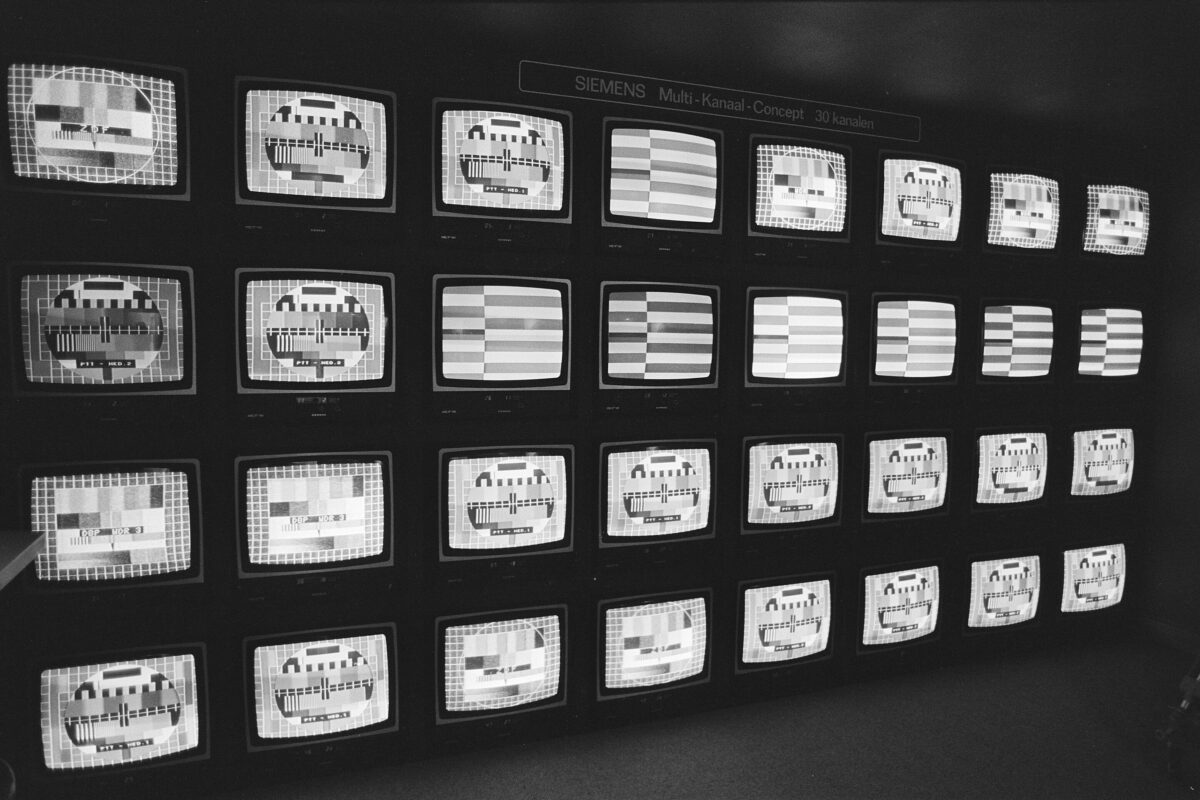
My first introduction to satellite television occurred in 1985. This is the year when the local cable network in my home town of Roosendaal in the Netherlands suddenly gained three new channels: Sky Channel, Music Box and TV5.1 I was 9 years old back then and as a true TV junkie I was delighted with all this new content. It was the first time we were able to see something beyond the state-owned domestic and neighbouring public broadcasters!
CATV As a Public Utility
A little background on CATV (community antenna television) and TV in general in the Netherlands in the 20th century would be appropriate here. Contrary to the US and many other countries, cable television in the Netherlands was typically a monopoly that was owned by the local government (the municipality or “gemeente” as it’s called in Dutch). When TV started becoming really popular in the 1950s, antennas started popping up on roof tops left and right and the Dutch, neat as they are, found all these ungodly rooftop antennae “ontsierend voor het straatbeeld” (spoiling the appearance of the public environment). The installations were also deemed a hazard, due to unprofessionally mounted antennas that could come loose during heavy weather conditions.
So, beginning in the 1970s most municipalities in the Netherlands started setting up their own CATV systems, which would provide superior signal quality over individual roof top antenna reception, due to the fact that reception of the signals could be done at an optimal central location (the cable headend) using professional equipment. All households in the municipality were automatically connected to the cable service, so we could get rid of all those roof top monstrosities.
The CATV service was typically operated by the local municipal electricity and/or water company. because that’s just how the Dutch viewed cable television: a public utility service, just like electricity and water. Because every household was connected, and because the service was typically not-for-profit, subscription costs were relatively low and we could all enjoy grade-A television reception. Cable television in the Netherlands was not a luxury service, it was a public utility that everyone had, rich or poor.
Shaking Things Up
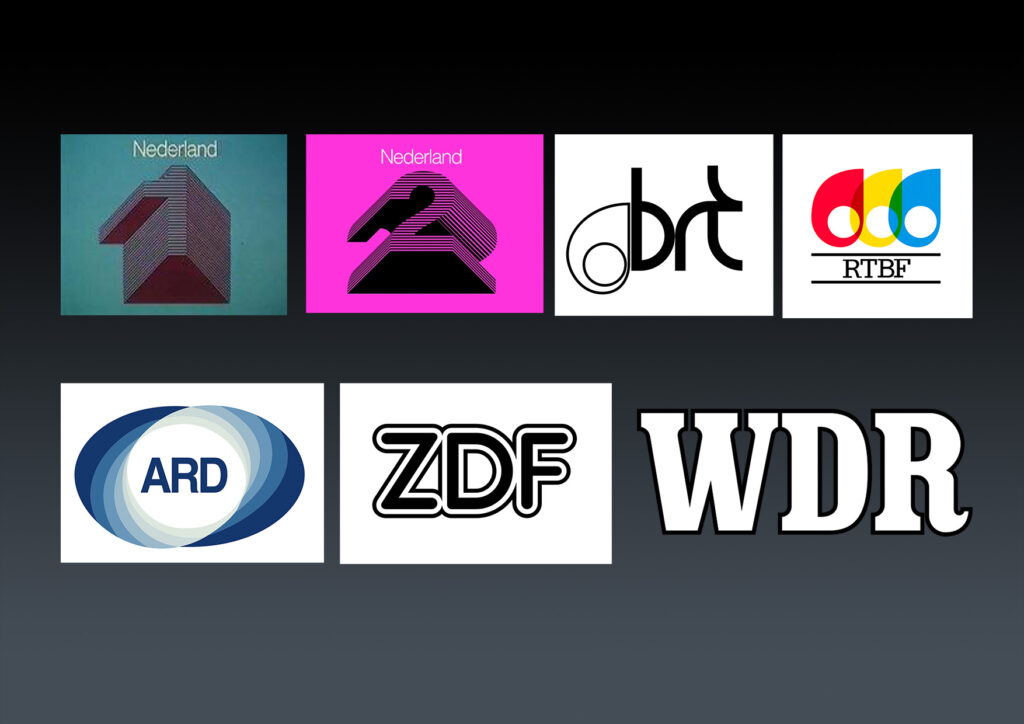
Before the arrival of these new satellite channels, it was very much a dull affair. Our local cable network in 1985 had a pretty typical package of boring public broadcasters. We had the two Dutch public broadcaster channels Nederland 1 and Nederland 2, our southern neighbours the Belgian (Flemish) public broadcaster BRT1 and BRT2 and the Wallonian RTBF-1 and RTBF-2, and of course our neighbours in the east: West-German public broadcasters ARD and ZDF, and the regional WDR. This sleepy status quo was suddenly disrupted with the arrival of Sky Channel and Music Box.
Sky Channel was the proverbial battering ram that cunningly managed to break through the comfortable television monopoly the state owned public broadcasters and Dutch government had maintained for decades, and in the process opened the flood gates for many more satellite television channels to follow. After being denied access to Dutch cable networks for years (ever since their launch under the name Satellite Television in 1982), they finally got the break they were looking for on May 4th, 1984 when the Dutch authorities finally relented and confirmed they had “no objections” to inclusion of Sky Channel on CATV in the Netherlands. Almost overnight Sky Channel doubled the number of households that could watch the channel in Europe, due to the more than 700,000 new Dutch households that were connected on May 5th.
Unfortunately my hometown Roosendaal was not among the municipalities that got Sky Channel in May 1984. Our cable headend lacked the channel capacity and also did not have the necessary satellite reception equipment. At the municipal council meeting of November 29th, 1984 the council voted for increasing the CATV budget so that the responsible municipal cable headend operator Gemeentelijk Energie en Waterleiding Bedrijf (= Municipal Electricity and Water Company) or G.E.W.B for short, could invest in the necessary equipment for satellite television reception.
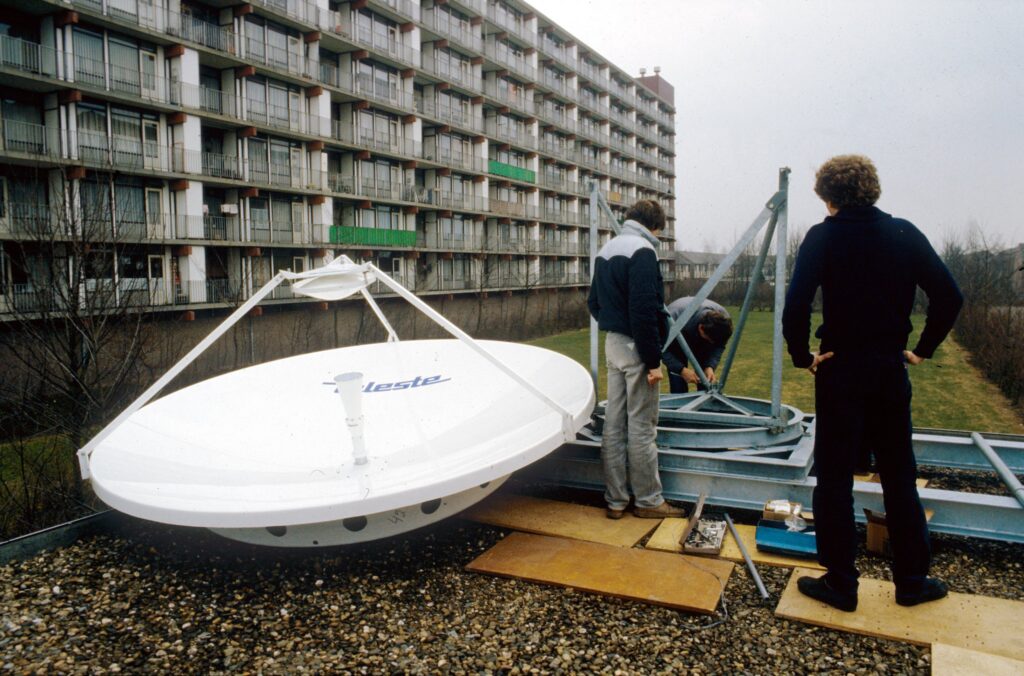
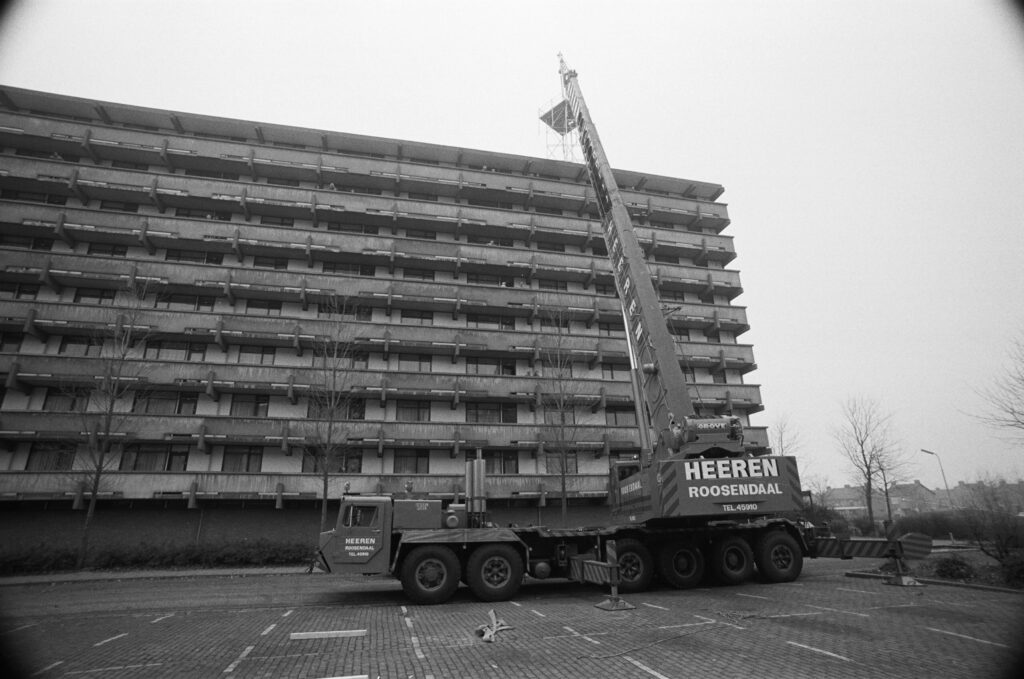
And so it was on a cold and dreary Wednesday December 12th, 1984 that my home town’s cable headend got an important upgrade. A 3 meter satellite dish was installed, pointed at the ECS-1 satellite at 13 degrees East.
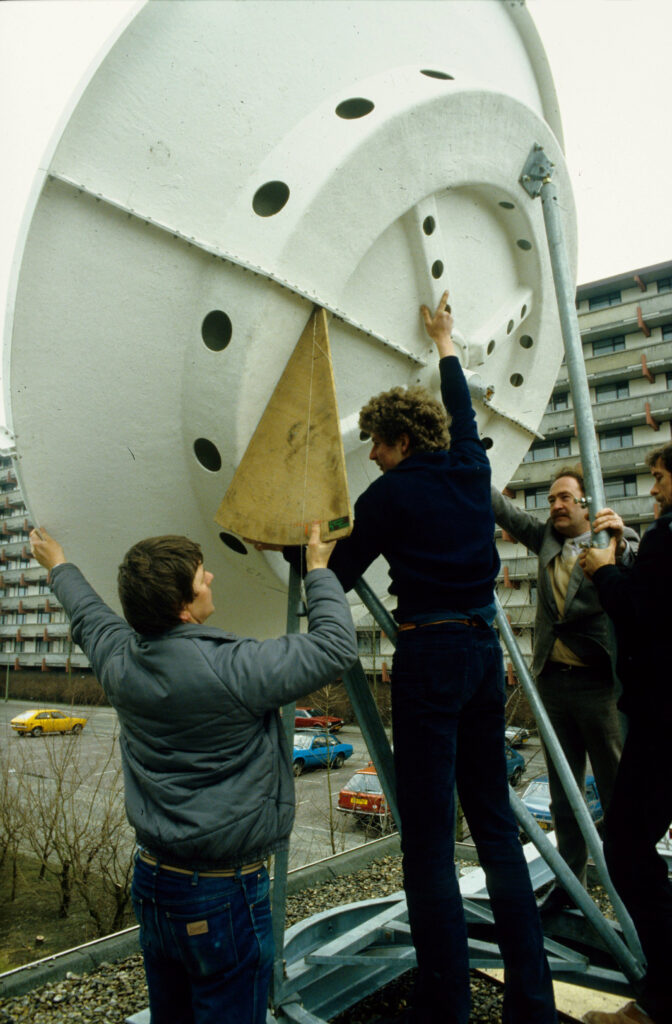
This very satellite dish was responsible for the reception of several satellite television channels during the 1980s by Roosendaal households via cable. It provided 60,000-ish people with many hours of television entertainment delivered via satellite: Sky Channel, Music Box, TV5, Super Channel, Europa TV and pay-tv channel FilmNet.
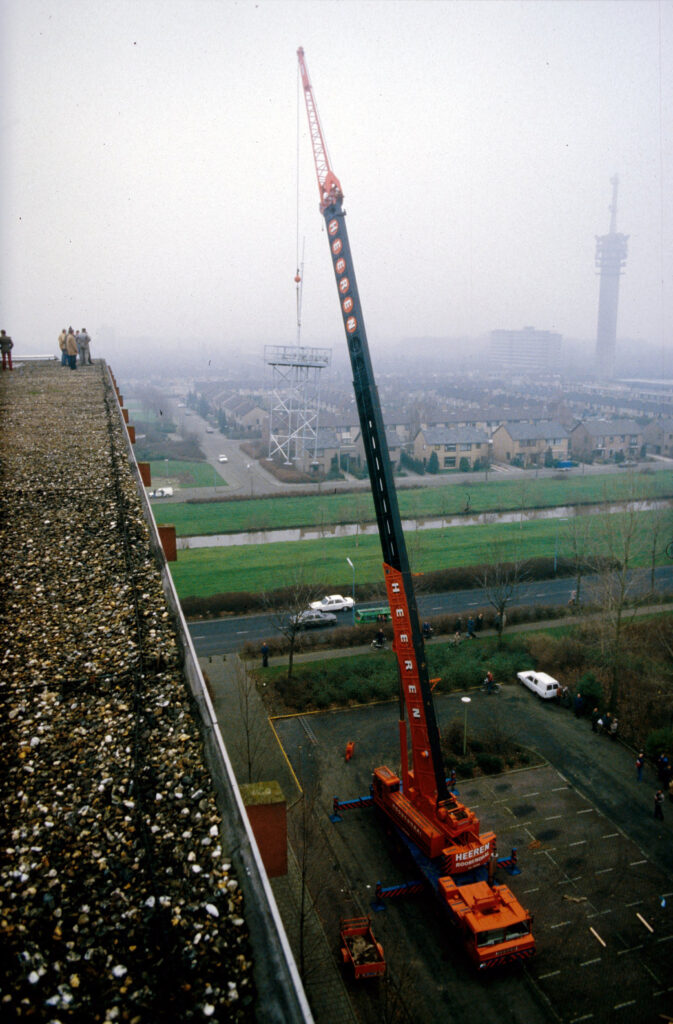
I am not sure of the exact date when the new satellite channels became available on the cable net. By late March the G.E.W.B. was still negotiating contracts with Sky Channel2, but it must have been not too long after that.
Welcome to the Fun Factory
The reason I’m so sure about that is because I vividly remember watching the very first episode of the Fun Factory, a Saturday and Sunday morning children’s program on Sky Channel, which premiered in July 1985. I remember having had access to Sky Channel for a while before Fun Factory premiered.
Footnotes
- Technically it was two channels, because Music Box and TV5 shared the same frequency on our cable network. TV5 only broadcast in the evening hours, while Music Box basically just repeated the same 6-hour block of programming 4 times per day. Many other municipalities in the Netherlands had a similar arrangement due to limited capacity on the cable network ↩
- Source: Municipal council meeting Roosendaal of March 28th, 1985. ↩